Plumbing tools cover core tasks from measurement to testing. Wrenches, pliers, and cutters form the hand-tool core, emphasizing controlled torque and clean cuts. Precision instruments handle layout, fittings, and leak detection, ensuring accurate installations. Safety, maintenance, and proper storage keep tools reliable over time. Each category plays a distinct role, yet they intersect in workflow, demanding careful selection and technique. The next step reveals how these pieces fit together in real installations.
What Most Tools Do in Plumbing: Core Categories
Plumbing tools fall into a few core categories, each serving a distinct stage of a task: measurement and layout, cutting and shaping, joining and fastening, and testing and maintenance. In this framework, efficiency hinges on Plumbing tool ergonomics and consistent tool material durability. Precision evaluation guides selection, balancing grip comfort, control, and material resilience to minimize fatigue while maximizing reliable results. Freedom favors practical, enduring solutions.
Wrenches, Pliers, and Cutters: Hand Tools Breakdown
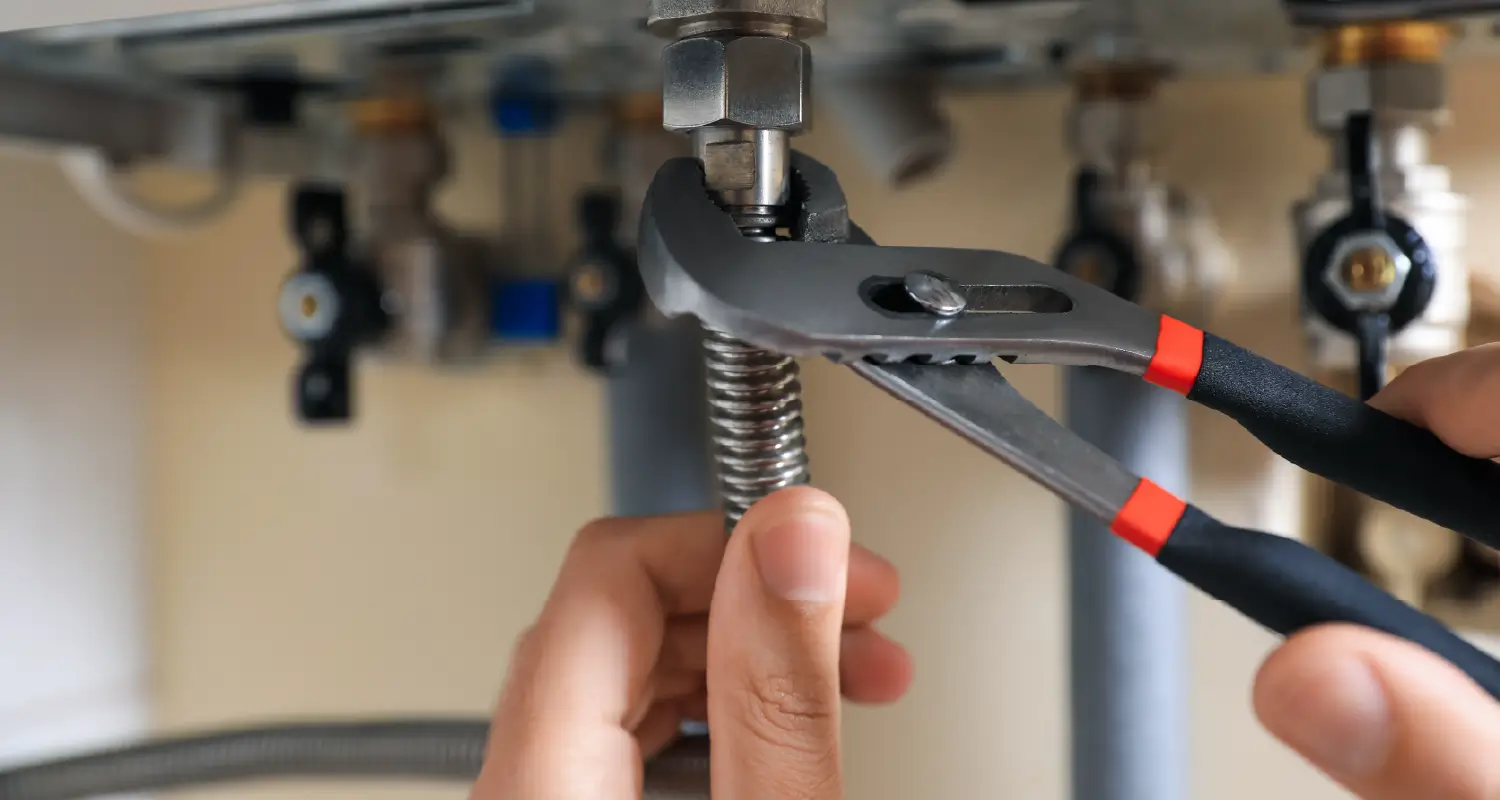
Wrenches, pliers, and cutters form the core grip-and-turn tools used to assemble, disassemble, and adjust plumbing components, each with a specific function that minimizes damage and maximizes control.
Wrench ergonomics guide torque without fatigue, while plier grip tension secures or releases stubborn joints.
Precision selection reduces tool slippage, enabling consistent assembly, safer disassembly, and sustained performance across diverse plumbing tasks.
Measuring, Fittings, and Detection: Precision Tools for Leaks and Installations
Measuring, fittings, and detection tools provide the exacting oversight required for successful leaks detection and dependable installations. Precision audits guide component selection, verify tolerances, and ensure fit assemblies before integration. Detection systems run controlled tests, recording data to predict performance. Leak simulations model real-world conditions, highlighting weaknesses. This disciplined approach supports reliable plumbing outcomes while upholding freedom to innovate within standards.
Safety, Maintenance, and Quick Tips: Tool Care for Longevity
Even so, how can tools endure under constant use and demanding environments? Proper care reduces downtime and extends lifespan.
A clear safety protocol minimizes hazards while reinforcing discipline.
Tool maintenance routines, including lubrication and inspection, prevent wear, corrosion, and misalignment.
Storage best practices protect edges and housings.
Longevity tips emphasize consistent cleaning, correct storage, and timely replacements to sustain performance.
Frequently Asked Questions
How Do I Choose the Right Tool for a Specific Pipe Material?
Choosing pipe materials involves aligning pipe type with system demands; considerations include corrosion resistance and pressure. The approach emphasizes choosing pipe materials, setting maintenance schedules, and documenting decisions for freedom-minded, precision-focused problem solving.
What Safety Gear Should I Wear for Tool Use?
Safety gear includes PPE requirements: eye protection, gloves, hearing protection, and sturdy footwear. Tool materials matter for durability and safety. Safety practices emphasize vigilance and proper handling; this ensures freedom to work confidently without risk.
Can Tools Affect Water Quality or Contamination Risks?
Tools can introduce contamination if dirty or incompatible; they influence water safety risks by carrying pathogens, metals, or chemicals. Proper cleaning, sanitizing, and using tool-specific barriers minimize contamination and safeguard water quality and public health.
Are There Budget Alternatives That Still Work Well?
Are budget friendly alternatives truly capable of meeting demanding plumbing tasks? Yes, they can, though trade-offs exist. The analysis weighs budget vs performance, highlighting budget-friendly, reliable options that balance cost, durability, and effectiveness for freedom-seeking users.
How Often Should I Replace Worn-Out Pliers or Wrenches?
How often depends on use; Pliers replacement occurs when handles show cracks or jaws misalign, and Wrenches longevity is extended by regular wear assessment. Infrequent tasks may delay, but safety requires timely replacements for reliable performance.
Conclusion
In sum, a disciplined toolkit pairs purpose-built tools with disciplined technique to ensure reliable plumbing. The most telling stat: improper torque or misfit fittings cause up to 40% of leaks in new installs. By prioritizing calibrated measurements, clean cuts, proper thread engagement, and appropriate lubrication, technicians reduce rework and extend service life. A precision-minded approach—checking compatibility, safeguarding threads, and testing for leaks early—translates to safer systems and longer-lasting performance.